My best-packed weekend bag happened on accident. I had two hours to get out the door for a last-minute flight and no time to overthink anything. I tossed in two outfits, a small pouch of toiletries, a pair of shoes, and a light layer. That was it.
And it worked. I didn’t miss anything I had left behind, and for the first time, I realized that a good packing system is just that: a system. Once you get it dialed, you don’t need to rethink it every time.
This guide is built to help you get there. It covers how to pack light, what to pack for a weekend trip, how to choose the right bags, and the habits that make travel easier. You’ll find a streamlined checklist, practical advice, and small adjustments for weather, events, or different trip styles.
Pack once, travel light, and enjoy the weekend.
Quick Answer: What to Pack for a 2–3 Day Trip
A weekend trip doesn’t require much, which is why it’s so easy to overpack. Two days away usually requires just two outfits, one outer layer (which can be worn on the flight to save space), a small pouch of toiletries, and a single pair of shoes.
If you’re flying, add travel-sized versions of anything liquid, keep your tech kit minimal, and use a personal item to hold the things you’ll want in reach.
The goal isn’t to cover every possible scenario. It’s to pack what will actually get used, leave the rest, and keep your bag light enough to carry without thinking about it. Whether you're using a duffel, a backpack, or a compact roller, the best weekend bag is the one you don’t notice once you're out the door.
Weekend Packing Checklist (Printable)

Choose Your Weekend Trip Bags

Packing effectively for a weekend trip starts with choosing the right bag(s). That singular decision shapes everything else: how much you bring, how long it takes to pack, and how easy the trip feels from door to door.
For a 2-3 day trip, you want to avoid checking a bag if at all possible. Most airlines allow 1 carry-on item (which must fit in the overhead bin) and 1 personal item (which must fit under the seat in front of you). With thoughtful packing, this should be plenty of space for a weekend trip.
The best strategy is to treat your two-bag allowance like a system: a main carry-on that holds clothes, shoes, and larger items, and a personal item that carries tech, documents, and anything you’ll want during transit. Get this pairing right, and the rest of your weekend trip falls into place.
Best Carry-On Bag: Duffel vs Suitcase vs Backpack
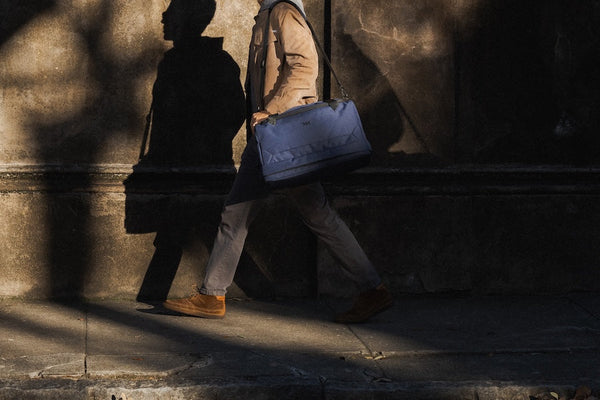
The best carry-on bag for a weekend trip is the one that matches how you move. When traveling for fun, an expandable weekender duffel is my go-to due to how easy it is to pack and move. Nothing will hold as much as a soft-sided duffle for the size, though you do give up some organizational features.
For work trips, I prefer an expandable backpack. It can serve as luggage during transport, but has the organizational features necessary to transition from business meetings by day to sight-seeing after work. I also find it more comfortable when walking longer distances, hopping between transit modes, or traveling with tech that needs protection.

A small rolling suitcase offers structure and convenience, especially for wrinkle-prone clothes or travelers who prefer not to carry weight on their back or shoulder. However, I dislike how bulky and heavy rollers are, especially when getting around the airport and getting to the hotel. While I always recommend them for longer trips due to capacity, I rarely find them necessary for a weekend getaway.
If you’re traveling light and fast, a duffel or backpack often gives you more flexibility with fewer trade-offs.
Best Personal Item for a Weekend Getaway
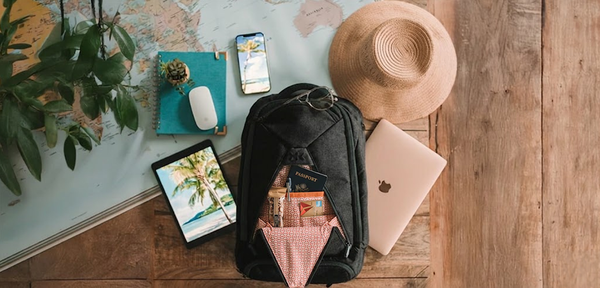
Your personal item should complement your main bag, not compete with it. It’s where you keep the things you’ll want easy access to during the flight, such as laptop, charger, headphones, wallet, passport, snacks, and any daily essentials. The ideal personal item is compact, organized, and sized to fit neatly under the seat without eating up legroom.
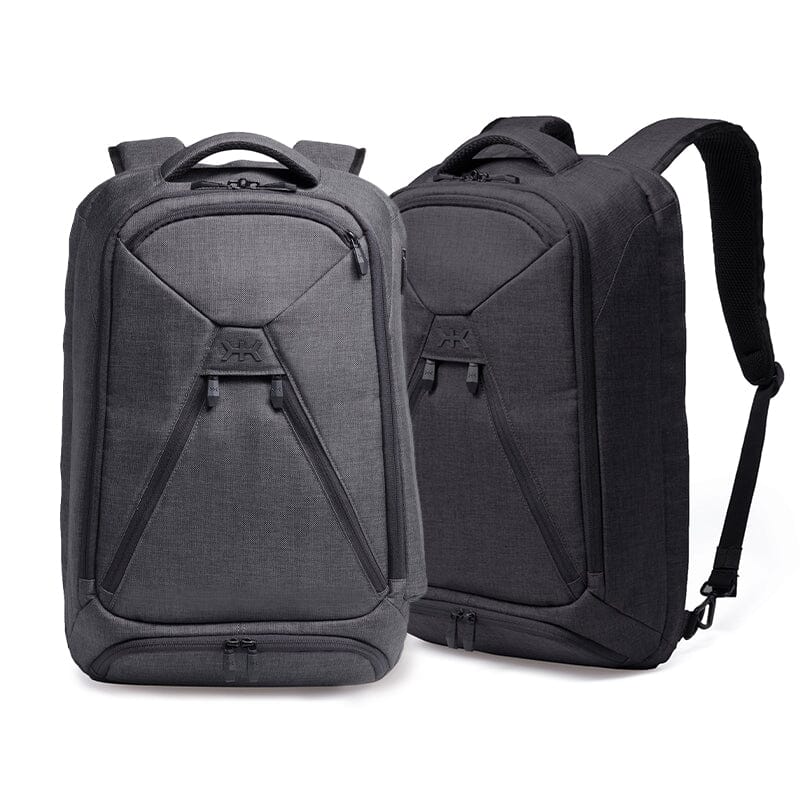
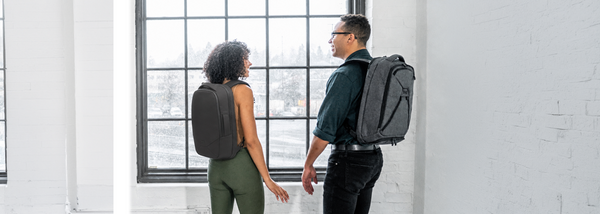
A streamlined backpack is one of the most versatile options. It keeps your hands free, distributes weight evenly, and typically meets personal item size requirements for most airlines. Look for a model with a dedicated tech sleeve, secure front pockets, and a slim profile that won’t bulk out when fully packed, such as the Small Expandable Backpack.
For travelers who want a personal item with more flexibility, Knack’s new Expandable Metro Duffel and Expandable Medium Travel Duffel are designed to fit under-seat requirements when compressed and offer expanded capacity when needed. They’re ideal for hybrid business and leisure travel, and let you carry just one bag if you're on a personal-item-only fare. For trips where your main bag goes overhead, they pair well as sleek, functional companions.
Weekend Packing List: Essentials for a 2–3 Day Trip
It’s easy to overthink this part, especially if your plans are still a little loose. The outcome of an effective weekend packing list isn’t having packed for every possible scenario. It’s having your bases covered with pieces that can do more than one job.
Clothing & Layers
Start with two outfits that match the weather and activities on your schedule. If you’ll be walking a lot, pick pieces you can move in. If there’s a chance you’ll dress up, swap one of those for something a little more polished. Add one midlayer that can handle cooler mornings or indoor A/C to this, and you should be set on outfits.
Most people overpack clothes and underpack flexibility. Focus on items you’ve worn before and trust to work in multiple settings.
Shoes
Wear your heaviest or bulkiest pair on the plane (usually something formal or weather-resistant) and pack one alternate in your carry-on if needed.
For most leisure trips, one pair does the job. But if you’re moving between dress and casual settings, plan to work out, etc, then a second pair might make sense. Just keep it compact and lightweight.
Toiletries
Stick to the essentials, and make sure every liquid or gel item follows the TSA’s 3-1-1 rule: under 3.4 ounces or smaller, 1 quart-sized, clear, resealable bag, and 1 bag per passenger.
Travel-sized toothpaste, deodorant, face wash, and any hair product you use regularly should be enough. Most hotels or hosts provide the basics, and convenience stores are everywhere if you forget something. Skip the full skincare routine and bring only what you’ll use twice.
Tech & Work Kit
If you’re bringing a laptop or tablet, carry it in your personal item with a charger, adapter, and headphones. And don’t forget a portable battery or charging cable for your phone!
Keep cords coiled and zipped in a small pouch to avoid tangles. If you’re not planning to work, a phone and earbuds may be all the tech you need.
Documents, Meds, and Daily Essentials
Bring your wallet, ID, credit card, and health insurance card, even on short domestic trips. If you take medication, pack what you need in its original container and carry it with you. Additionally, think of any work or travel documents you may need that would be handy in print.
Common Extras
Depending on your trip type, you might want sunglasses, a compact umbrella, a hat, and/or a small bag for dirty laundry.
If you’re flying, a water bottle you can refill after security and a few snacks go a long way. And if your travel includes downtime, bring a book or download something you’ve been meaning to watch beforehand to turn downtime into fun time.
How to Pack Smart for a Weekend Trip

Even a small weekend bag can hold more than you expect, as long as you pack with a system. The goal isn’t to cram everything in. It’s to stay organized, limit what you bring, and make sure you can find what you need without digging through a mess of tangled cables and unfolded clothes.
These habits keep your bag efficient and your weekend getaway easier from the start.
Use Packing Cubes

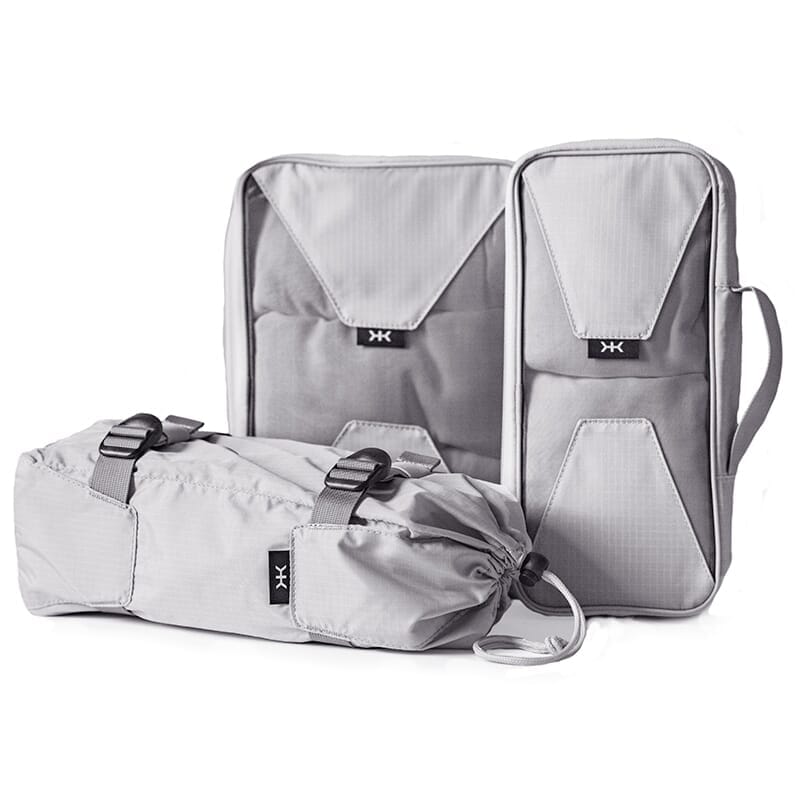
The biggest unlock for most frequent travelers is learning how valuable packing cubes really are. They aren’t just about keeping clothes tidy. They change how you use space, how fast you can unpack, and how easy it is to stay organized throughout the trip. Beyond that, they can become laundry bags for the weekend or act as a dry bag for shoes or wet items that need to be stored in your day bag.
With cubes, every category has a home. Tops in one, bottoms in another, socks and underwear in a third. Or, you can put each outfit in its own cube. However you organize, they make it easy to grab exactly what you need without tearing through your whole bag. They also compress soft items just enough to free up extra space, helping smaller bags feel roomier without adding bulk.
For weekend trips, packing cubes make even more sense. They let you build a simple system you can reuse every time. no overthinking, no refolding, no wasted space. Whether you’re staying in a hotel, crashing with friends, or moving around every night, you’ll know where everything is from the moment you arrive.
Once you start using them, you won’t go back.
A Simple Outfit Formula
When in doubt, pack two full outfits plus one extra top. That’s enough for daywear, dinners, and relaxing in between.
If possible, choose neutral colors that mix and match easily so that you can achieve multiple outfits that go together.
A sample setup might include one collared shirt, a smart shirt with no collar, two pairs of pants or jeans, one casual bottom like shorts or joggers, and a midlayer such as a sweater or packable jacket. Planning outfits ahead of time takes up a few extra minutes, but it saves space and decisions later.
Liquids and the 3-1-1 rule
If you’re flying, all liquids, gels, and creams need to follow the TSA’s 3-1-1 rule. That means each item must be under 3.4 ounces and stored together in one quart-sized clear bag. Keep this bag near the top of your personal item so you can grab it quickly at security.
Toothpaste, sunscreen, hair products, and even lip balm count toward the limit. If you’re worried about running out, you can always buy a small replacement at your destination.
Weight distribution and fit in soft bags
Place heavier items like shoes and electronics at the bottom of your bag or closest to your back. This helps with balance and makes the bag feel lighter when carried.
Fold or roll clothes around those items to fill the space, then layer softer items like a sweatshirt or jacket near the top.
Why does this matter? Because a balanced pack holds its shape better, fits more easily in overhead bins or under-seat spaces, and stays comfortable whether you are walking through the airport or tossing it into the trunk.
Adjust for Weather or Plans
Most weekend packing lists are written only for mild weather and general plans. But if your trip includes a shift in climate, dress code, or activity (as so many do), a few smart swaps can keep you prepared without overpacking. This section covers how to adjust your bag without starting from scratch.
Warm weather/pool & beach
For warm destinations, you can skip the heavier midlayer and replace it with one or two breathable pieces that dry quickly and handle sun and sweat.
If you’re heading to the beach or pool, bring one compact swimsuit and a small towel or wrap. Sandals or flip-flops take up minimal space and can tuck easily into the corner of your bag. Just be sure to bring sunscreen, a hat, and a refillable water bottle to stay protected and hydrated in the heat.
Cool weather, rain, or shoulder season
If cooler temps are in the forecast, swap in a warm layer like a fleece or insulated jacket and wear it on the plane. A lightweight rain shell or travel umbrella can also be worth the space if there’s even a slight chance of showers.
Focus on shoes that can handle wet pavement or trails, and pack extra socks for wet weather accordingly. Shoulder season trips often mean chilly mornings and warmer afternoons, so plan to layer instead of bringing bulkier items you’ll only wear once.
Dress Codes, Activities, and One-Off Plans
If your weekend includes a nice dinner, business meeting, or special event, swap one everyday outfit for something elevated. A collared shirt, wrinkle-resistant dress, or dark jeans can go a long way with the right shoes.
For active plans like hiking, yoga, or a long walk, include gear that serves the activity but still fits into your bag. Think trail shoes that double as casual sneakers or leggings that also work as loungewear.
The goal isn’t to pack for every possibility. It’s to know your itinerary, make one or two intentional changes, and trust the rest of your bag to stay simple.
FAQs
How many outfits do I need for a 3-day trip?
Most people only need two full outfits and one extra top for a three-day trip. If you plan to dress up, swap in one elevated option, but avoid packing a separate outfit for every possible scenario.
What size bag works best for a weekend?
A bag in the 35-40 liter range is ideal for a weekend trip. It offers enough space for clothing, shoes, and essentials while staying compact enough to meet carry-on size limits for most airlines.
Can my weekender count as a personal item?
Whether or not a weekender counts as a personal item or carry-on is dependent on the size and structure. For a bag to qualify as a personal item, it must fit under the seat in front of you. Many soft-sided weekenders, like Knack’s Expandable Metro Duffel or Expandable Travel Duffel, are designed to compress and fit under the seat, which qualifies them as personal items on most airlines.
Should I check a bag for a weekend trip?
Unless you need specialty gear or are bringing large liquids, there’s usually no reason to check a bag for a weekend trip. A carry-on and personal item can easily hold everything you need while saving time and baggage fees.
Can you bring a duffel bag as a carry-on?
Yes, as long as the duffel fits within the airline’s carry-on size limits. Many soft-sided duffels are easier to fit in overhead bins than rigid suitcases, making them a smart option for weekend travel.
What is the max carry-on duffel bag size?
Most airlines allow carry-ons up to 22 x 14 x 9 inches. Duffels that stay within those dimensions qualify as carry-ons and can go in the overhead bin, even if they are soft-sided or expandable.
Conclusion
The more often you pack for short trips, the more you realize how little you actually need. Two outfits, the right bag, a few smart extras… that’s it. The rest is just practice.
For me, the breakthrough came on an impromptu trip where I had to be packed in just a couple of hours and realized I didn’t need anything I had accidentally left at home. With the right bag and the essentials, you’ll be fine.
That’s the goal. A system that works whether you’re heading to a city, a cabin, or somewhere in between. One bag. One list. No stress. Just a few days packed right.